Freight forwarding that gives you peace of mind. What good transport organisation really looks like

In logistics, transport is only half the job. The other half happens earlier – in planning, coordination and reacting quickly to change. Good freight forwarding is never an accident; it comes from people and processes that keep everything moving the way it should.
Forwarding starts with information, not with a vehicle
Every transport starts with a conversation. That is when we establish the customer’s needs, the nature of the cargo, the delivery window and the possible scenarios. The more precise the information at the start, the easier it is to plan the process without unnecessary downtime. Forwarders look at the whole picture: road restrictions, fleet availability, loading hours and, at times, the weather or the situation at the borders.
Managing a route is real-time work
A plan is one thing, reality always finds a way to surprise you. That is why forwarding calls for fast decisions and constant control over the transport. Communication is the key – contact with the driver, vehicle monitoring and keeping the customer up to date. Thanks to that the delivery stays predictable even when conditions change along the way.
The quality of forwarding comes from people, not systems
Modern tools matter, but it is the forwarder’s experience that decides how the whole process looks. They judge whether a route is realistic, anticipate risks and make the calls that determine punctuality. In practice, good forwarding is daily work on several levels:
- analysing the customer’s needs and the nature of the cargo,
- matching the right vehicle and schedule,
- anticipating potential obstacles,
- reacting to changes in real time.
This is exactly where you see the difference between a company that “arranges transport” and a company that genuinely looks after how it goes.
Why does forwarding give the customer peace of mind?
Because it takes responsibility for the entire process. The customer does not have to watch loading hours, paperwork, driver availability or what is happening on the route. They do not have to wonder where the shipment is or whether it will arrive on time. Forwarding does it for them – from the first phone call to unloading.
When forwarding becomes real support
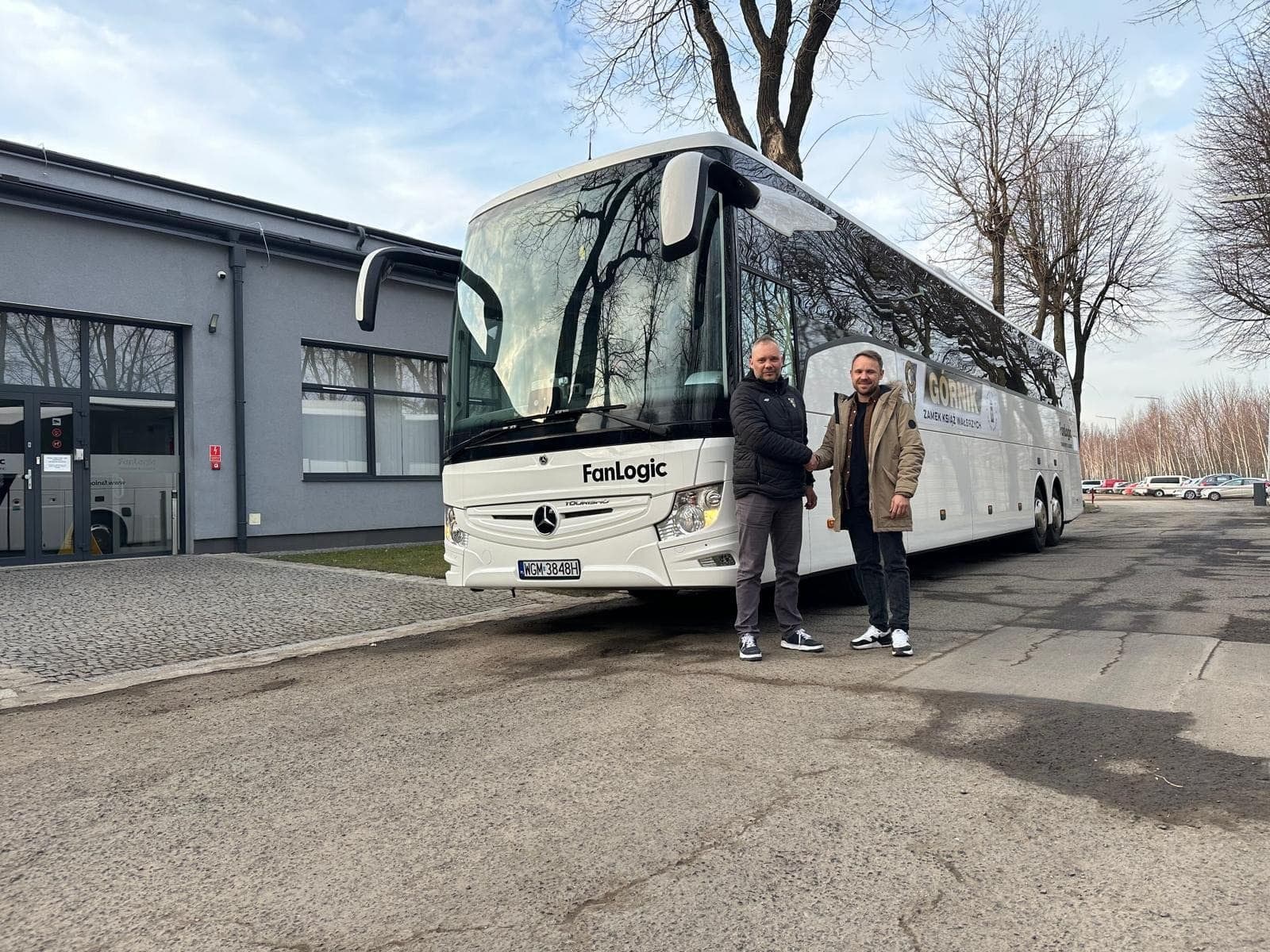
That is the moment when a carrier stops being only a logistics provider and becomes a partner – someone who knows the customer’s challenges and can predict what happens next. At Fanlogic that means planning, coordination, monitoring and reacting as things unfold. It is work you often do not see, but it is what keeps transport free of chaos and stress.
In short
Good forwarding is more than transport. It is people, processes, experience and constant communication that together create a service the customer can rely on. That is how cargo reaches its destination – calmly, predictably and on time.